
Two Good Tools, Different Jobs
Aligners and braces both move teeth with controlled force. The differences that matter are what your case needs and how you live.
Cost
The gap has narrowed. Metal braces are generally the most affordable option, with ceramic braces and clear aligners costing more — but for a comparable case the difference is often smaller than people expect, and both are usually covered the same way by insurance. Case complexity affects the fee more than the appliance does. Our Invisalign page and braces page cover each.
Treatment Time
For similar cases, similar timelines. Aligners can finish faster for mild crowding. Braces are more predictable for complex bites and heavy movements. The real variable is compliance: braces work whether you cooperate or not, while aligners need 20 to 22 hours a day and simply stop working when they are in your pocket.
What Each Handles Best
Aligners: mild to moderate crowding and spacing, mild bite issues, relapse after earlier treatment, adults who cannot have visible appliances at work.
Braces: severe crowding needing extractions, significant overbite or underbite correction, large tooth rotations, impacted teeth, cases needing growth guidance in a child, and any patient who will not reliably wear a removable appliance.
Anyone claiming aligners can treat absolutely everything is overselling. Sometimes braces are the honest answer and they save you a year.
Daily Life
Aligners come out to eat, so there are no food restrictions and brushing is normal — but they come out for every meal and every drink that is not water, and they need to go back in after brushing. Braces have a food list (nothing hard, sticky, or bitten into with the front teeth) and need careful cleaning around each bracket, but nothing to remember or lose.
Appearance
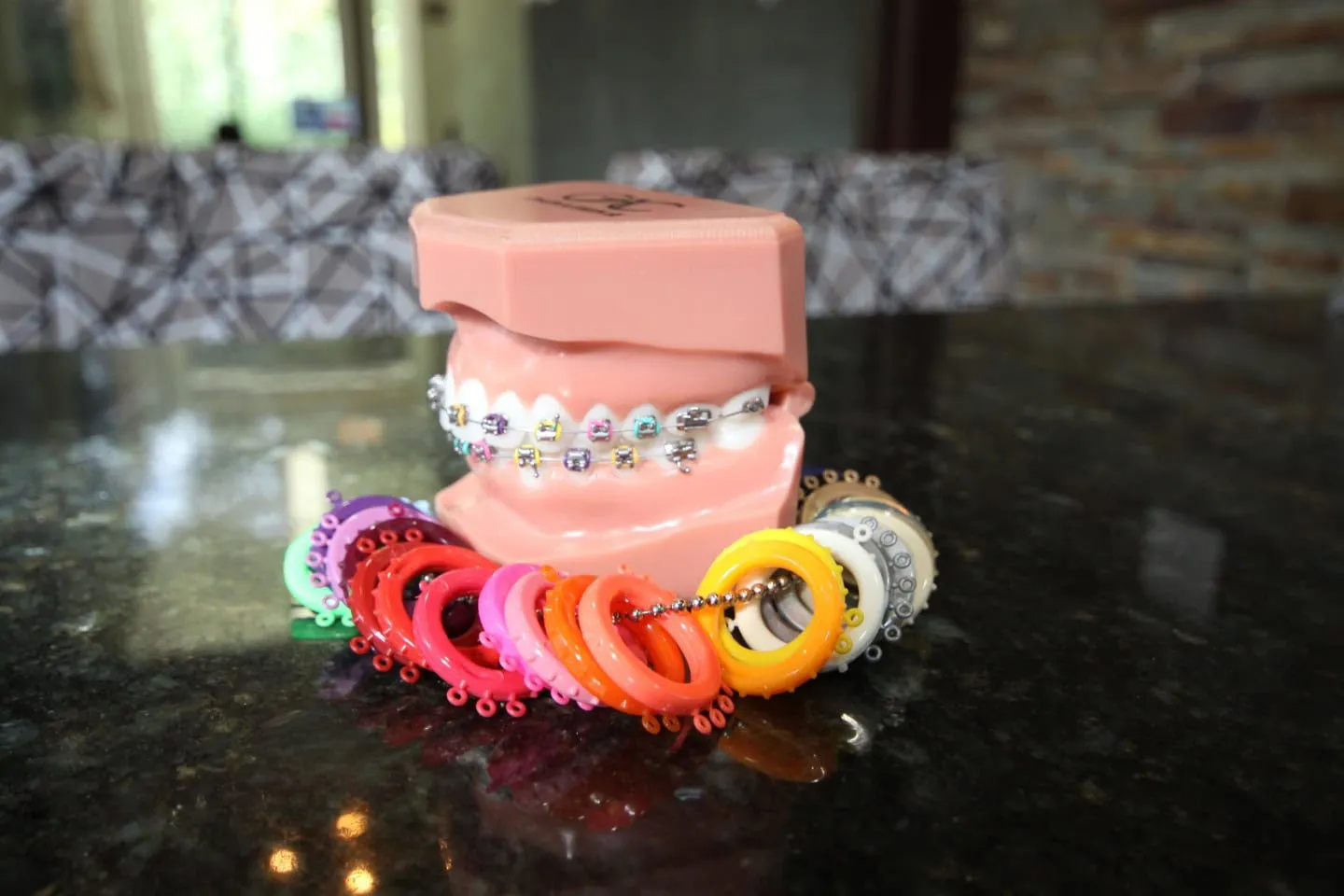
Aligners are nearly invisible. Ceramic braces blend with enamel and are a good middle ground. Metal braces are visible — and today far smaller than adults remember.
Start With What Your Case Needs
The comparison most people make is lifestyle first, clinical second. It is more useful the other way round, because the exam often removes options before preference gets a say.
Ask two separate questions of each option at the consultation: can this fully treat my case, and will the finish be as good? Those are not the same question. An appliance that can improve your teeth is not necessarily one that can finish them well, and the difference shows up in how the bite meets rather than in how the front teeth look.
Once you know which options genuinely qualify, lifestyle is the right basis for choosing between them.
Where Aligners Are Less Predictable
It is worth being specific rather than general about this, because "complex cases" is too vague to act on.
Large rotations of round teeth - canines and premolars in particular - are harder for a smooth tray to grip and turn. Substantial vertical movement, meaning intruding or extruding a tooth, is one of the weaker areas. Closing large extraction spaces is difficult to do bodily rather than by tipping. And significant skeletal discrepancies are not a tooth problem at all.
None of these are absolute barriers in experienced hands. Each adds attachments, adds months, and raises the likelihood of refinements. That is the honest trade, and it is worth knowing before rather than after.
Attachments Change the Invisibility
Most aligner cases need them, and patients are frequently surprised at the fitting appointment.
They are small tooth-coloured composite bumps bonded to specific teeth, shaped to give the tray something to push against. Without them a tray tends to slide over a tooth rather than rotate or upright it.
They do reduce the discretion, especially on front teeth and up close. They can pick up slight stain in heavy coffee drinkers, which is cleaned at appointments. They come off at the end and leave nothing behind - but if you are choosing aligners specifically because you expect nothing to be visible, ask to see what your case would require.
The Cleaning Difference Is a Real Health Advantage
With braces, plaque collects around brackets, and the permanent white decalcification marks that appear when brushing slips are among the most common regrets of adolescent treatment.
With aligners you brush and floss normally because the appliance comes out. That is a genuine and underrated clinical benefit, particularly for a teenager whose hygiene is unlikely to be perfect for two years.
The trade is a different discipline: nothing but water while trays are in, brushing before they go back, and a case for the tray whenever it is out. Coffee, tea and sports drinks stain trays, and the most common way an aligner is lost is being wrapped in a napkin.
What Each Costs You in Daily Attention
Braces make no daily demands beyond the food list and a longer cleaning routine. The appliance works whether you are paying attention or not, which for a distracted teenager is frequently the deciding factor.
Aligners demand a decision several times a day for eighteen months. People who eat at their desks, graze, or are constantly in meetings with coffee find this much harder than they expect at the consultation.
Neither is the more mature choice. They suit different lives, and being honest about which one you have is the most useful thing you can bring to the appointment.
Refinements and Repairs
Both routes have their own unscheduled interruptions.
With braces it is the broken bracket - usually food, occasionally a bite interference striking the same bracket repeatedly. Each one is an unplanned visit and a pause in movement on that tooth.
With aligners it is the refinement: a tooth that has not tracked as planned, remedied with a fresh scan and a new short series. This is routine rather than a failure, and it is built into most fees - ask specifically whether it is included in yours.
Both End the Same Way
Retainers on nights, indefinitely, because teeth drift for life. Finishing with trays makes retention feel like more of the same, which is a small practical advantage - but a final aligner is not a retainer, and it will wear through.
Let the Exam Decide First
Find out which options can fully treat your bite, then choose on lifestyle. Request a consultation and we will lay out both.